
What’s the Best Way to Deal with Blackheads and Whiteheads?
Introduction
Blackheads and whiteheads are two common types of acne that affect people of all ages. Blackheads, known as open comedones, occur when hair follicles become clogged with oil, dead skin cells, and debris. The open surface of the clogged pore allows it to oxidize, turning it black, which is why it’s called a blackhead. On the other hand, whiteheads, or closed comedones, form when the clogged pore remains closed at the surface, leading to a small, white bump. Both blackheads and whiteheads are non-inflammatory forms of acne, but they can still be frustrating to deal with and can affect one’s confidence.
Addressing blackheads and whiteheads is crucial because if left untreated, they can lead to more severe acne breakouts and even scarring. These small imperfections are often signs that your skin needs more care and attention. By understanding their causes and how to treat them, you can achieve clearer, healthier skin.
In this guide, we will explore the best way to deal with blackheads and whiteheads to help you maintain a smooth and blemish-free complexion. Whether you’re struggling with persistent blackheads or trying to prevent the occasional whitehead, knowing the right strategies and products can make all the difference. Let’s dive into the various methods and solutions that will help you find the best way to deal with blackheads and whiteheads, ensuring your skin stays clear and radiant.
Understanding Blackheads and Whiteheads
What are Blackheads?
Blackheads, scientifically known as open comedones, are a type of acne that forms when hair follicles, or pores, become clogged with excess oil, dead skin cells, and other impurities. Unlike whiteheads, the top of the pore remains open, allowing the contents to be exposed to air. This exposure to air causes oxidation, turning the material inside the pore black, hence the name “blackhead.”
Blackheads are most commonly found on the face, especially the nose and chin, but they can also appear on the back, chest, and shoulders. They are typically small and flat, making them less noticeable than other forms of acne, but they can still be a source of frustration for many. One of the best ways to deal with blackheads is to incorporate a regular skincare routine that targets oil control and exfoliation, which helps to prevent the buildup of debris in the pores.
What are Whiteheads?
Whiteheads, or closed comedones, are another common type of acne that forms when a pore becomes clogged with oil and dead skin cells. However, unlike blackheads, the pore remains closed at the surface, trapping the material inside. This causes a small, white bump to form on the skin, hence the term “whitehead.”
Whiteheads are often more challenging to treat than blackheads because the closed surface makes it difficult for the clog to be expelled naturally. They are commonly found on the face, particularly the forehead, nose, and chin, but can also appear on other areas of the body. Finding the best way to deal with whiteheads involves using gentle exfoliation and products that help to unclog pores without irritating the skin.
The Differences Between Blackheads and Whiteheads
While blackheads and whiteheads may seem similar, they have key differences that affect how they should be treated.
Appearance: Blackheads are dark in color due to the oxidation of the material inside the pore, while whiteheads are small, white bumps because the pore is closed, preventing oxidation.
Formation: Both blackheads and whiteheads form due to clogged pores, but the difference lies in whether the pore remains open (blackheads) or closed (whiteheads).
Treatment: The best way to deal with blackheads and whiteheads varies slightly due to these differences. Blackheads often respond well to exfoliation and products that help to clear out the pores, while whiteheads may require more targeted treatments to unclog the pores without causing irritation.
Understanding these differences is essential in developing a skincare routine that effectively addresses both types of acne. By knowing what blackheads and whiteheads are and how they form, you can better tailor your approach to finding the best way to deal with blackheads and whiteheads.
Common Causes of Blackheads and Whiteheads
Factors That Contribute to Their Development
Blackheads and whiteheads are primarily caused by the buildup of excess oil, dead skin cells, and bacteria in the pores. However, several factors can exacerbate this process:
Excess Sebum Production: Hormonal changes, particularly during puberty, menstruation, or stress, can increase the production of sebum (oil) by the sebaceous glands. This excess oil can mix with dead skin cells and clog pores, leading to blackheads and whiteheads.
Clogged Pores: When dead skin cells aren’t properly shed from the skin’s surface, they can accumulate and mix with oil, creating a plug in the pore. If the pore is open, it becomes a blackhead; if it’s closed, it becomes a whitehead.
Bacteria: The presence of the acne-causing bacteria Propionibacterium acnes can contribute to the formation of both blackheads and whiteheads. While these bacteria are naturally found on the skin, an overgrowth can lead to clogged pores and acne.
Hormonal Fluctuations: Hormones play a significant role in the development of acne, including blackheads and whiteheads. Androgens, the hormones that increase during puberty, can cause the sebaceous glands to enlarge and produce more oil, leading to clogged pores.
Understanding these underlying factors is essential in finding the best way to deal with blackheads and whiteheads. By addressing these root causes, you can effectively reduce the occurrence of these common skin issues.
Lifestyle and Skincare Habits That May Aggravate Them
Certain lifestyle choices and skincare habits can worsen blackheads and whiteheads or make them more difficult to manage:
Poor Skincare Routine: Not cleansing your skin regularly or using the wrong products can lead to an accumulation of oil and dead skin cells, which can clog pores. Using comedogenic (pore-clogging) products can also contribute to the development of blackheads and whiteheads.
Diet: While the relationship between diet and acne is still being studied, some evidence suggests that high glycemic index foods, dairy products, and excessive sugar can trigger or worsen acne, including blackheads and whiteheads.
Stress: Stress can lead to hormonal imbalances, which in turn can increase oil production and make the skin more prone to acne, including blackheads and whiteheads. Stress can also cause people to neglect their skincare routines, further exacerbating the problem.
Improper Makeup Use: Wearing heavy or oil-based makeup can clog pores, especially if it’s not properly removed at the end of the day. This can lead to the development of blackheads and whiteheads.
Environmental Factors: Pollution and humidity can increase the amount of dirt and oil on your skin, leading to clogged pores. Additionally, constantly touching your face with unclean hands can transfer bacteria and oils, worsening blackheads and whiteheads.
Recognizing how these factors influence your skin is vital for identifying the best way to deal with blackheads and whiteheads. Small changes in lifestyle and skincare can make a significant difference in managing these skin concerns.
Why Understanding the Cause is Crucial to Finding the Best Way to Deal with Blackheads and Whiteheads
Understanding the causes of blackheads and whiteheads is the first step in effectively managing them. Knowing what triggers these types of acne allows you to tailor your skincare routine and lifestyle choices to prevent their formation.
For example, if excess oil production is a significant factor in your skin’s tendency to develop blackheads and whiteheads, incorporating oil-controlling products and practices can be the best way to deal with blackheads and whiteheads. If poor skincare habits are to blame, a more consistent and targeted skincare routine might be necessary.
By identifying and addressing the specific causes of blackheads and whiteheads, you can develop a more effective approach to keeping your skin clear. The best way to deal with blackheads and whiteheads is not just about treating them when they appear but also about preventing them from forming in the first place by understanding and managing the underlying causes.
Effective Skincare Routine for Prevention
Daily Cleansing
Importance of Cleansing to Prevent Blackheads and Whiteheads
Daily cleansing is a fundamental step in any skincare routine aimed at preventing blackheads and whiteheads. Cleansing helps remove excess oil, dirt, and dead skin cells from the surface of the skin, which can otherwise accumulate and clog pores. If these impurities are not regularly removed, they can contribute to the formation of blackheads and whiteheads, making it difficult to find the best way to deal with blackheads and whiteheads.
Cleansing twice a day—once in the morning and once before bed—is crucial. It ensures that the skin remains free from daily buildup and that pores are not left vulnerable to clogging. Additionally, using a cleanser suited to your skin type can help maintain balanced oil levels and prevent the formation of acne.
Recommended Products and Techniques
When choosing a cleanser, opt for products that are designed to target acne and are suitable for your skin type. Look for cleansers with ingredients like salicylic acid or benzoyl peroxide, which are effective in preventing and treating blackheads and whiteheads. These ingredients help break down the debris that can clog pores.
For best results:
Use lukewarm water to avoid irritating the skin.
Apply the cleanser in circular motions, focusing on areas prone to blackheads and whiteheads.
Rinse thoroughly to ensure no residue is left behind.
Some recommended products from mumolifestyle.com that fit these criteria include gentle exfoliating cleansers and those with acne-fighting ingredients.
Exfoliation
Role of Exfoliation in Dealing with Blackheads and Whiteheads
Exfoliation plays a vital role in preventing blackheads and whiteheads by removing the buildup of dead skin cells that can clog pores. Regular exfoliation helps to keep the skin smooth and clear, reducing the likelihood of blackheads and whiteheads forming. It’s an essential step for those looking to find the best way to deal with blackheads and whiteheads, as it prevents the accumulation that leads to these skin issues.
Types of Exfoliators (Physical vs. Chemical)
Physical Exfoliators: These include scrubs and brushes that manually remove dead skin cells through friction. While they can be effective, it’s important to choose gentle options to avoid irritating the skin or causing micro-tears, which can exacerbate acne.
Chemical Exfoliators: These use acids like salicylic acid, glycolic acid, or alpha hydroxy acids (AHAs) to dissolve dead skin cells and unclog pores. Chemical exfoliators are often preferred for dealing with blackheads and whiteheads as they can penetrate deeper into the pores and provide more thorough exfoliation without physical abrasion.
Incorporating a chemical exfoliator into your skincare routine can be the best way to deal with blackheads and whiteheads effectively, especially for those with sensitive skin. Always follow up with a moisturizer to maintain skin hydration and balance.
Moisturizing
Why Moisturizing is Essential, Even for Oily Skin
Many people with oily skin may think that moisturizing is unnecessary, but this is a misconception. Moisturizing helps maintain the skin’s natural barrier and hydration levels, which can actually help regulate oil production. Using the right moisturizer can prevent the skin from producing excess oil, which is a common contributor to blackheads and whiteheads. Therefore, finding the **best way to deal with blackheads and whiteheads** involves not neglecting the moisturizing step.
Suggested Moisturizers That Won’t Clog Pores
When selecting a moisturizer, choose non-comedogenic products specifically formulated to avoid clogging pores. Look for lightweight, water-based moisturizers that provide hydration without adding extra oil to the skin. Ingredients like hyaluronic acid and glycerin are great for maintaining skin moisture without exacerbating acne.
Some top choices available on mumolifestyle.com include:
Gel-based moisturizers that provide hydration without a greasy finish.
Oil-free moisturizers that balance the skin’s oil levels while keeping it hydrated.
By incorporating these effective skincare practices—daily cleansing, regular exfoliation, and proper moisturizing—you can significantly reduce the occurrence of blackheads and whiteheads. These steps collectively represent the best way to deal with blackheads and whiteheads, leading to clearer and healthier skin.
Treatments for Existing Blackheads and Whiteheads
Topical Treatments
When dealing with existing blackheads and whiteheads, topical treatments can be highly effective. These products are designed to target clogged pores and reduce the formation of new blackheads and whiteheads. Here are some common over-the-counter options:
Salicylic Acid: This beta-hydroxy acid (BHA) is well-known for its ability to penetrate the pores and help dissolve the buildup of dead skin cells and sebum. Salicylic acid is often recommended as one of the best ways to deal with blackheads and whiteheads because it helps to exfoliate the skin and prevent future clogging.
Benzoyl Peroxide: This ingredient helps reduce acne-causing bacteria on the skin and decreases inflammation. While it is more commonly used for inflammatory acne, it can also be effective in treating blackheads and whiteheads by preventing bacteria from contributing to pore blockages.
Retinoids: Topical retinoids, such as adapalene and tretinoin, are derived from vitamin A and help to increase cell turnover, which can prevent the buildup of dead skin cells in the pores. Retinoids are considered one of the best ways to deal with blackheads and whiteheads as they address the underlying causes of clogged pores and promote clearer skin over time.
These topical treatments can be found in various forms, including cleansers, toners, and creams. When using these products, it’s important to follow the instructions and start with lower concentrations to avoid potential irritation.
Professional Treatments
For more persistent or severe cases of blackheads and whiteheads, professional treatments can provide effective solutions:
Chemical Peels: Chemical peels use acids, such as glycolic acid or salicylic acid, to exfoliate the outer layers of the skin and help remove the buildup that causes blackheads and whiteheads. This treatment can significantly improve skin texture and clarity, making it a strong option for those seeking the best way to deal with blackheads and whiteheads.
Microdermabrasion: This procedure involves using a device to gently exfoliate the top layer of the skin, removing dead skin cells and unclogging pores. Microdermabrasion can help improve the appearance of blackheads and whiteheads and is beneficial for those looking for a more thorough exfoliation.
Extractions: Performed by dermatologists or trained professionals, extractions involve manually removing blackheads and whiteheads from the pores. This procedure should be done with care to avoid skin damage or scarring and is typically used in conjunction with other treatments to ensure the best way to deal with blackheads and whiteheads.
Seeking professional help can offer targeted and personalized treatments that are often more effective than over-the-counter products alone. It’s beneficial to consult with a dermatologist to explore these options.
Natural Remedies
Many people also turn to natural remedies to treat blackheads and whiteheads. While these methods can be effective, they should be used with caution:
Clay Masks: Clay masks, such as those containing bentonite or kaolin clay, can help absorb excess oil and draw out impurities from the pores. They can be a gentle and effective part of the best way to deal with blackheads and whiteheads, offering deep cleansing benefits.
Tea Tree Oil: Known for its antimicrobial properties, tea tree oil can help reduce bacteria and inflammation. Diluting tea tree oil with carrier oil and applying it to affected areas can help treat blackheads and whiteheads naturally.
Honey and Cinnamon: Honey has antibacterial properties, and cinnamon can help improve circulation. A mask made from honey and cinnamon can offer gentle exfoliation and antimicrobial benefits.
Caution Against Common DIY Mistakes:
Avoid Abrasive Scrubs: Physical exfoliators with coarse particles can irritate the skin and worsen blackheads and whiteheads. Opt for gentle exfoliation methods instead.
Be Cautious with Strong Acids: Overusing strong acids or DIY chemical peels can damage the skin and lead to increased irritation or sensitivity.
Patch Test Remedies: Always perform a patch test before applying new natural remedies to your entire face to avoid adverse reactions.
While natural remedies can complement your skincare routine, they may not always be as effective as medical treatments. Combining these remedies with proven methods is often the best way to deal with blackheads and whiteheads, ensuring a comprehensive approach to achieving clear skin.
Lifestyle Changes for Clearer Skin
Dietary Adjustments
How Diet Impacts Skin Health
Diet plays a significant role in overall skin health and can influence the development of blackheads and whiteheads. Certain foods can exacerbate skin issues by increasing oil production or triggering inflammation, while others can help promote clearer skin.
High Glycemic Index Foods: Foods with a high glycemic index, such as white bread, sugary snacks, and sodas, can lead to increased insulin levels, which may stimulate excess oil production and contribute to acne. Reducing the intake of these foods can be part of the **best way to deal with blackheads and whiteheads.
Dairy Products: Some studies suggest that dairy products, particularly skim milk, may be linked to acne due to their impact on hormone levels. Limiting dairy intake can be beneficial for those prone to blackheads and whiteheads.
Foods to Avoid and Foods That Promote Clear Skin
Foods to Avoid: In addition to high glycemic index foods and excessive dairy, processed foods high in refined sugars and unhealthy fats can negatively affect skin health. These include fast food, pastries, and excessive amounts of fried foods.
Foods That Promote Clear Skin: Incorporating nutrient-rich foods into your diet can help improve skin clarity. Foods rich in antioxidants, such as berries, green leafy vegetables, and nuts, help combat inflammation and oxidative stress. Omega-3 fatty acids found in fish, flaxseeds, and walnuts can also help reduce inflammation and maintain skin health.
Making dietary adjustments can support your efforts to find the best way to deal with blackheads and whiteheads by addressing internal factors that affect skin conditions.
Stress Management
The Connection Between Stress and Skin Issues
Stress can have a significant impact on skin health, including the development of blackheads and whiteheads. Stress triggers the release of hormones such as cortisol, which can increase oil production and lead to clogged pores. Additionally, stress can negatively affect your skincare routine and lead to poor skin habits.
Tips for Reducing Stress to Improve Skin Health
Practice Relaxation Techniques: Incorporate stress-reducing practices such as meditation, deep breathing exercises, or yoga into your daily routine. These activities can help lower cortisol levels and improve overall skin health.
Regular Exercise: Engaging in physical activity helps reduce stress and improve circulation, which can positively impact skin health. Exercise also helps regulate hormone levels, reducing the likelihood of stress-induced acne.
Adequate Sleep: Ensuring you get enough quality sleep is crucial for managing stress and supporting skin repair. Aim for 7-9 hours of sleep per night to help your skin recover and maintain a healthy appearance.
Incorporating these stress management strategies can enhance the effectiveness of your skincare routine and contribute to finding the best way to deal with blackheads and whiteheads.
Consistency and Patience
Emphasizing the Importance of a Consistent Skincare Routine
A consistent skincare routine is essential for effectively managing blackheads and whiteheads. Regularly following a tailored regimen that includes cleansing, exfoliating, and moisturizing helps maintain skin clarity and prevent new breakouts. Consistency ensures that the skin is continually cared for and that treatments have a chance to work.
Stick to Your Routine: Establish a daily skincare routine that addresses your specific skin concerns and adhere to it. Regular use of targeted products and treatments can provide long-term benefits.
Patience in Seeing Results
Achieving clearer skin takes time and patience. It’s important to understand that improvements may not be immediate. Changes in skin condition can take several weeks to become visible, and consistent effort is required to see lasting results.
Avoid Over-Treatment: While it may be tempting to use multiple products or treatments in an attempt to speed up results, this can often lead to irritation and setbacks. Instead, focus on a balanced approach and give your skincare routine time to show its effectiveness.
Track Progress: Keep track of your skin’s progress to understand what works best for you. Adjust your routine as needed based on your observations and any changes in your skin condition.
In summary, making lifestyle adjustments, including dietary changes, stress management, and maintaining consistency and patience, can significantly enhance your efforts to find the **best way to deal with blackheads and whiteheads. By addressing these factors holistically, you can achieve clearer, healthier skin.
Recommended Products Available on mumolifestyle.com
When it comes to finding the best way to deal with blackheads and whiteheads, choosing the right products is crucial. At mumolifestyle.com, we offer a curated selection of high-quality skincare products that can effectively target and treat these common skin issues. Here are some of the top products available that can help you achieve clearer skin:
1. Salicylic Acid Cleanser
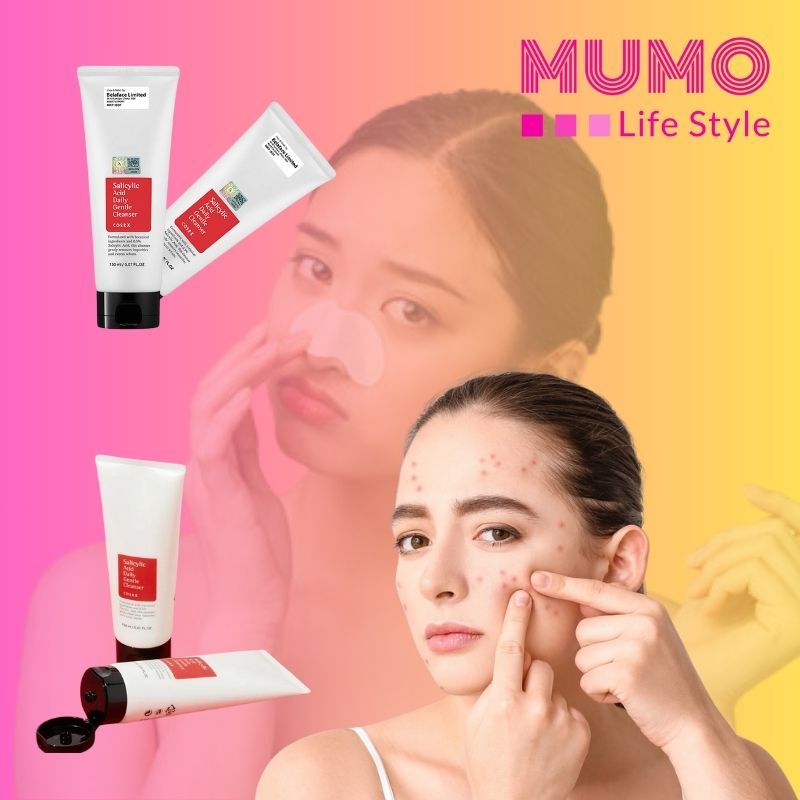
Product Description: Our Salicylic Acid Cleanser is formulated to deeply cleanse the skin and exfoliate the pores. Salicylic acid is a powerful beta-hydroxy acid (BHA) that penetrates the pores to dissolve excess oil and dead skin cells, making it an excellent choice for tackling blackheads and whiteheads.
Why It’s Ideal: This cleanser helps to prevent the buildup of debris that leads to clogged pores. Regular use can significantly reduce the appearance of blackheads and whiteheads, making it a key product in the best way to deal with blackheads and whiteheads.
How It Fits In: Incorporate this salicylic acid cleanser into your daily cleansing routine. Use it twice daily, morning and evening, to keep your pores clear and your skin smooth.
2. Benzoyl Peroxide Treatment Gel
Product Description: The Benzoyl Peroxide Treatment Gel is a potent solution designed to reduce acne-causing bacteria and inflammation. Benzoyl peroxide helps to unclog pores and prevent new blackheads and whiteheads from forming.
Why It’s Ideal: This treatment gel targets the underlying causes of acne, such as bacterial buildup, making it an effective part of the best way to deal with blackheads and whiteheads. It works well for those who need extra help managing stubborn breakouts.
How It Fits In: Apply this gel as a spot treatment on affected areas after cleansing and before moisturizing. It’s best used in conjunction with other products to provide a comprehensive approach to acne management.
3. Exfoliating Clay Mask
Product Description: Our Exfoliating Clay Mask features natural clays and exfoliating agents that help draw out impurities and dead skin cells from the pores. This mask provides deep cleansing and helps to minimize the appearance of blackheads and whiteheads.
Why It’s Ideal: Clay masks are effective in absorbing excess oil and purifying the skin. This mask enhances the effectiveness of your skincare routine and supports the best way to deal with blackheads and whiteheads by providing a thorough cleanse.
How It Fits In: Use this mask once or twice a week as part of your exfoliation routine. Apply it to clean skin, leave it on for the recommended time, and rinse off to reveal refreshed and clearer skin.
4. Retinol Serum
Product Description: Our Retinol Serum contains a high concentration of retinol, a form of vitamin A known for its ability to boost cell turnover and improve skin texture. Retinol helps to prevent pore-clogging and reduces the appearance of blackheads and whiteheads.
Why It’s Ideal: This serum is ideal for treating and preventing blackheads and whiteheads due to its ability to increase cell turnover and keep pores clear. It is a valuable addition to the best way to deal with blackheads and whiteheads.
How It Fits In: Apply the retinol serum in the evening after cleansing and before moisturizing. Start with a lower concentration if you are new to retinol and gradually increase as your skin builds tolerance.
5. Non-Comedogenic Moisturizer
Product Description: Our Non-Comedogenic Moisturizer is designed to provide hydration without clogging pores. It contains lightweight, oil-free ingredients that help maintain skin moisture balance without contributing to acne.
Why It’s Ideal: Moisturizing is essential even for oily and acne-prone skin. This product ensures that your skin stays hydrated while avoiding pore blockages, making it a critical component of the best way to deal with blackheads and whiteheads.
How It Fits In: Apply this moisturizer daily after cleansing and treating your skin. It helps to lock in moisture and maintain skin health without exacerbating blackheads and whiteheads.
Each of these recommended products from mumolifestyle.com has been selected to address different aspects of blackhead and whitehead management effectively. By incorporating these products into your skincare routine, you can enhance your efforts to find the best way to deal with blackheads and whiteheads and achieve clearer, healthier skin.
Conclusion
In summary, addressing blackheads and whiteheads effectively requires a comprehensive approach that combines understanding their causes, implementing an effective skincare routine, and making beneficial lifestyle changes. Here’s a recap of the key points discussed:
Understanding Blackheads and Whiteheads: Blackheads are open comedones that appear as small, dark spots due to oxidized sebum and dead skin cells in the pores. Whiteheads are closed comedones that appear as small, flesh-colored bumps under the skin. Differentiating between them helps in choosing the most suitable treatment.
Common Causes: Blackheads and whiteheads can develop due to factors such as excess oil production, hormonal changes, and poor skincare habits. Lifestyle factors like diet and stress also play a role in their formation.
Effective Skincare Routine: A consistent skincare routine that includes daily cleansing, exfoliation, and moisturizing is crucial. Using products with salicylic acid, exfoliators, and non-comedogenic moisturizers can help prevent and manage blackheads and whiteheads.
Treatments for Existing Issues: Topical treatments like salicylic acid and retinoids, professional treatments such as chemical peels and microdermabrasion, and natural remedies can be effective. Each treatment offers unique benefits and can be tailored to individual needs.
Lifestyle Changes: Dietary adjustments, stress management, and maintaining consistency and patience are essential for long-term skin health. These changes complement skincare routines and contribute to clearer skin.
Recommended Products: At mumolifestyle.com, we offer a range of products designed to tackle blackheads and whiteheads effectively. From salicylic acid cleansers to non-comedogenic moisturizers, these products can support your skincare routine and help achieve the best results.
Finding the best way to deal with blackheads and whiteheads involves a combination of understanding your skin, choosing the right products, and making positive lifestyle changes. By following the tips and recommendations provided, you can take meaningful steps towards clearer, healthier skin.